Cameroon's Giant Unveiling the Nation's Largest Fuel Operation
Cameroon's Giant Unveiling the Nation's Largest Fuel Operation
Blog Article
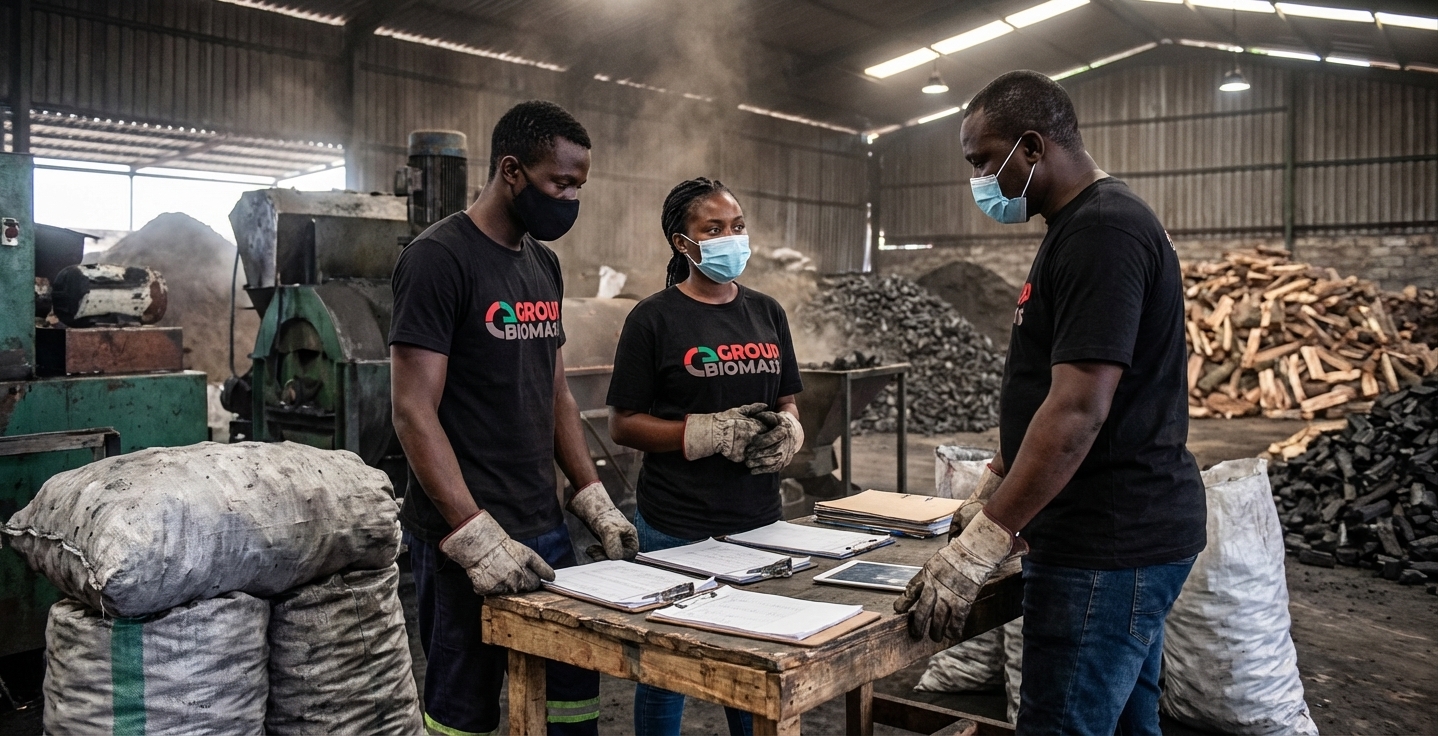
Deep within Cameroon , a significant operation stands as a symbol to the increasing demand for biomass. This commercial complex, reportedly the nation’s largest wood factory , is attracting attention for both its scale and the possible environmental ramifications. While providing jobs for regional communities, the factory's processes are triggering concerns about responsible forest practices and the overall preservation of the nation's forests .
Natural Lump Carbon Export Boom: Cameroon’s Rising Star
Cameroon is seeing a significant surge in quality lump charcoal sales, positioning itself as a important source in the global industry. Driven by increasing demand from the US and Pacific markets, the region’s production of this eco-friendly fuel is steadily increasing, offering new opportunities for local communities and supporting the regional economy. The emphasis on sustainably sourced wood lump carbon is showing to be a essential element in gaining international investors.
Inside Cameroon’s Hardwood Lump Charcoal Factory: Production & Sustainability
Stepping into a here common Cameroon timber lump fuel factory reveals a surprisingly straightforward process of production. Green wood, often sourced from managed woodlands, are meticulously felled and carried to a kiln. Inside, the lumber is slowly burned with restricted oxygen, a technique that converts it into granular charcoal. Although the traditional methods applied can be labor-intensive, growing new factories are incorporating refined techniques and seeking ways to boost both productivity and ecological sustainability. This encompasses dedicating in clean resources and applying thorough debris management plans.
The Charcoal Trade : A Significant Player in Global Sales
Despite mounting environmental anxieties, Cameroon’s wood charcoal trade remains a surprising and vital player in the global export market . The creation of charcoal from forest biomass is a essential source of income for many of local communities, particularly in underserved areas . This practice generates a substantial quantity of lump charcoal shipped for foreign markets , often supporting cooking needs in other regions, though this reliance creates difficulties relating to woodland depletion and responsible forest protection.
Le Choix Entre Charbon de Bois En Bloc de Bois Dur et Des Briquettes : Un Perspective Camerounaise
Dans Cameroun, , le sélection entre le combustible de bois dur massif et des briquettes pose une question . Classiquement, , le combustible de bois dur est préféré pour son saveur distinctif et sa aptitude à créer une température intense , parfaite pour les cuissons régionales. Néanmoins, , les briquettes , plus pratiques de obtenir et plus économiques , gagnent en popularité , particulièrement chez les communautés citadines .
Sustainable Charcoal Making : The Outlook of Cameroon’s Timber Business
The conventional method of charcoal production in Cameroon presents a significant threat to its valuable hardwood forests . However, innovative sustainable techniques offer a viable path forward. These encompass technologies like agricultural waste conversion and improved earth systems, which lessen deforestation, lower emissions, and create economic opportunities for local populations . Embracing these sustainable solutions is crucial to protecting Cameroon's biological heritage and securing the long-term sustainability of its hardwood business while addressing climate concerns.
Report this page